The Downside of AI in Education
In the modern era, technology has become the backbone of educational systems nearly everwhere in the world. In the past, when we wanted to do an assignment or research, we had to examine a lot of books, encyclopedias, and so on. However, nowadays artificial intelligence tools, such as chatbots and automated assessment systems, are significantly changing the way students learn, and this trend is increasing day by day because the capabilities of AI are constantly expanding. Compared to the time when you parents had to review various books and old research papers many times just to write an academic article, thanks to the advent of artificial intelligence, students’ understanding of education has been completely tranformed. Although AI has begun to shape our world and our education system bu offering us speed and convenience, it also brings about significant challenges that could harm a student’s mental and educational improvement. In this regard, AI has had botu negative and positive effects on students all around the world.
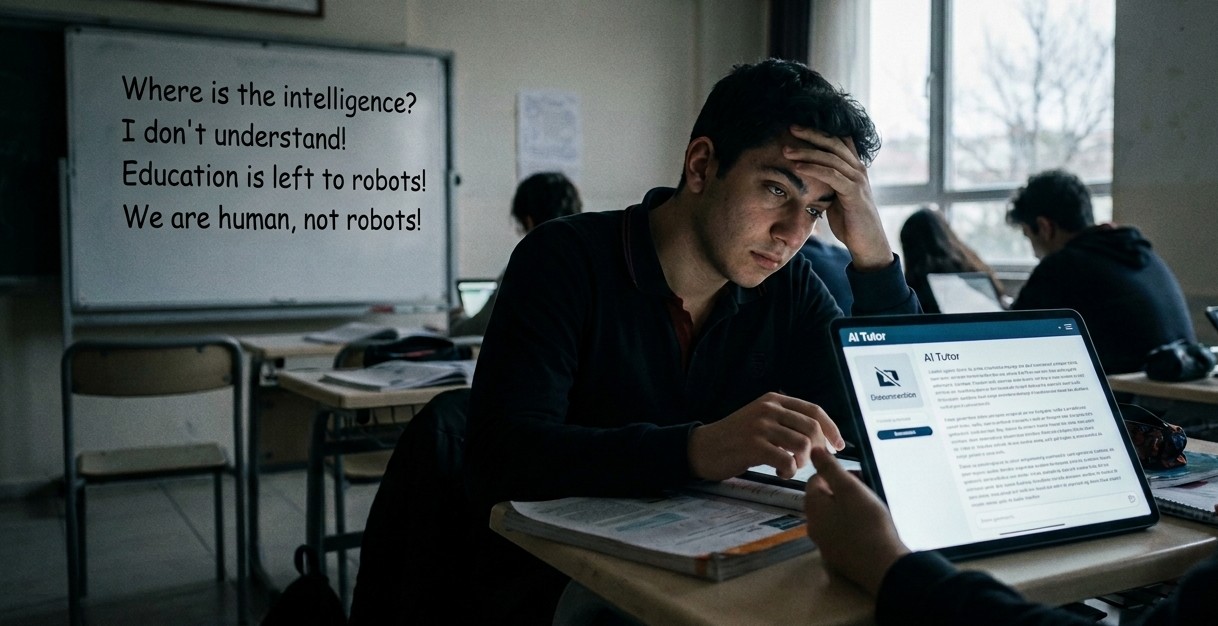
On one hand, AI provides immediate access to information and helps students organize their study schedules. Many argue that acts like a personal tutor available 24/7, and it can simplify complex topics and provide instant feedback, which is helpful for those who struggle with traditional classroom speeds. On the other hand, whereas these benefits are indispensable gör students, the negative impacts of AI are also becoming more profound every passing day. The most critical issue is the loss of critical thinking. When a student relies on AI to generate ideas or solve math problems, they stop using their own logic to analyze information. Instead of learning the process, they only care about the final outcome or product. This leads to a generation of students who can follow instructions but cannot think independently. And as this situation continues, it is predicted that students will completely distance themselves from their own thought processes and begin to transform into, so to speak, humanoid robots.
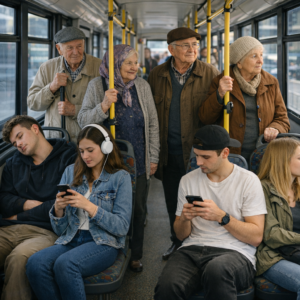
Furthermore, artificial intelligence creates serious problems in terms of academic integrity. Students can easily copy information or use AI tools to complete their assignments, making it difficult for teachers to assess their true abilities. Additionally, the lack of human interaction is a significant disadvantage. Education does not just mean acquiring new skills or information, but also developing social skills and emotional intelligence. When students become overly reliant on machines for learning, they may become more socially isolated and their communication skills might weaken. This inevitably leads to the upbringing of lonely and intellectually challenged generations.
In conclusion, AI offers many advantages for students, such as quick access to information and help with difficult topics. Nevertheless, it also induces some serious challenges to education.When students depend too much on AI, they might stop improving significant abilities like critical thinking and independent learning; moreover, the rise of plagiarism makes it harder for teachers to understand a student’s real performance. Another important point is the lack of human interaction, which can weaken students communication and social skills. From my perspective, AI should be used as a helpful tool, but it should never replace the effort and personal thinking necessary for real learning. Otherwise, if we lose our ability to think, what will be left from our humanity?